Head-to-Head
Remedy Meds vs Gala
Remedy Meds is the simpler month-to-month option with a strong reputation, while Gala is the better fit for women who want GLP-1 access alongside hormone health support and longer-term pricing flexibility.
Remedy Meds
General Adults
Starting price
From $299/mo
Gala
Women 35+
Starting price
From $179/mo
Quick Verdict
Best Fit at a Glance
Remedy Meds
- Straightforward month-to-month pricing with no long-term bundle commitment.
- Strong reputation for prompt and effective care.
- Patient portal access for care team communication, medication tracking, and refill requests.
Gala
- Women-focused provider with support for perimenopause and menopause-related needs.
- Offers HRT options in addition to GLP-1 medications.
- Flexible 1-12 month pricing plans, including lower monthly costs for longer commitments.
Still deciding
Answer a few quick questions and we'll point you to the provider that fits your goals, budget, and state.
Take the Provider Match Quiz →What matters most to you?
Feature
Remedy Meds
Gala
Best fit
Offers compounded GLP-1s
Lowest semaglutide price
Lowest tirzepatide price
Lowest microdose price
Consultation included
Insurance support
Coaching included
Provider messaging
State coverage
Pricing and features may vary by plan, dose, and state. Verify directly with each provider.
Want the full pricing breakdown? Compare both inside the tool →Medications
What You Can Actually Get
Remedy Meds
3 medication options shown

Compounded semaglutide
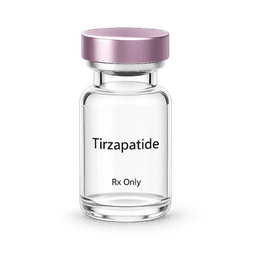
Compounded tirzepatide
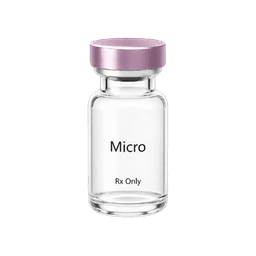
Microdose
Gala
4 medication options shown
Compounded semaglutide
Compounded tirzepatide
Microdose
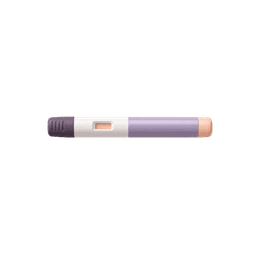
Wegovy
Product images are illustrative. Available medications, formats, and eligibility depend on the provider and your consultation.
How It Works
The Care Pathway, Side by Side
Remedy Meds
- 1
Fill out intake
A short online health questionnaire, about 10 minutes.
- 2
Provider review
A licensed clinician reviews your intake and prescribes if appropriate.
- 3
Shipped to your home
Medication arrives discreetly, typically within a few days.
- 4
Ongoing support
Message your care team with questions along the way.
- 5
Adjustments if needed
Dose changes and refills handled without the hassle.
Gala
- 1
Fill out intake
A short online health questionnaire, about 10 minutes.
- 2
Provider review
A licensed clinician reviews your intake and prescribes if appropriate.
- 3
Shipped to your home
Medication arrives discreetly, typically within a few days.
- 4
Ongoing support
Message your care team with questions along the way.
- 5
Adjustments if needed
Dose changes and refills handled without the hassle.
Who It's For
Find Yourself Here
FAQ
Common Questions
Is Remedy Meds or Gala cheaper?
Which is better for midlife women or hormone care?
Do both offer microdosing?
Can I get brand-name Wegovy?
Do both ship to my state?
Does either take insurance?
Our Take
Comparing Remedy Meds vs Gala

Remedy Meds and Gala are two popular online GLP-1 providers that offer easy access to weight loss medications. Still, there are some pretty significant differences between these two providers, and I’m excited to explore them with you so you can make an informed buying decision.
If you’ve been eyeing both of these popular and well-established providers but aren’t sure which one to choose, this will help.
What’s Different?
When comparing Remedy Meds to Gala, the biggest difference is how they market their product. Gala is targeted to women, specifically, those dealing with perimenopause or menopause. In addition to offering GLP-1 medications, Gala offers hormone health treatments (HRT). Remedy Meds, on the other hand, serves all people and demographics; they do not specialize in one particular niche.
Another difference between Gala and Remedy Meds is that Gala offers brand-name weight loss medications in addition to the compounded options. Remedy Meds offers only compounded GLP-1 medications at this time.
Pricing is another area where there are quite a few differences between these two popular providers. Remedy Meds is very straightforward with its pricing, offering only month-to-month subscriptions (no 3, 6, or 12-month bundles) and a $120 off first month discount via my exclusive link. Gala, on the other hand, has a more robust price offering, allowing patients to choose from 1-12 month plans. Gala’s pricing model allows for a lot of flexibility and discounted prices, as the longer your commitment, the lower your monthly cost ends up being.
Gala advertises compounded GLP-1 medications starting at $179/month, but when you read the fine print or go through the intake process to select your plan, you’ll see that the low monthly price is because of a 12-month commitment. Not everyone starting out on weight loss medications is ready to commit for a year; however, for some people, this low monthly fee is very enticing, especially when they know they’ll be on the medication long-term.
Finally, the last major noteworthy difference comes in the form of patient access and convenience. Gala offers a dedicated app for patients to track their medication dates, weight, dosage, symptoms, mood, etc. Remedy Meds does not offer a separate app; however, they do have a patient portal that gives patients access to their care team, medication tracking, and refill requests.
What’s the Same?
While it may seem like Gala and Remedy Meds are pretty different based on the differences I listed above, they actually have more in common than you might think. First, and most obvious, is that both Gala and Remedy Meds offer compounded GLP-1 medications. Both providers offer compounded GLP-1s in either full-dose or microdosed options.
Both providers offer their services in all 50 states and have licensed providers in all 50 states, making both fully available in the US. From an intake and getting started perspective, both Remedy Meds and Gala feature a similar process where potential patients fill out a brief quiz, are given a preliminary approval, enter payment information, and then wait for provider review and final approval. Both Gala and Remedy Meds report fast provider review time, free next-day shipping, and 24/7 support access.
My Feedback and Recommendations
Reviewing both Remedy Meds and Gala, I pretty quickly came to a handful of conclusions about which provider might be better suited for which patient demographics.
Since Gala is supportive of women, specifically, and includes access to HRT (hormone replacement therapy) options, I believe that women experiencing perimenopause or menopause-related symptoms would benefit from exploring the options available at Gala.
Additionally, I believe that those seeking the lowest monthly cost would be wise to check out Gala’s long-term pricing plans if they plan to be taking the medication for more than one month, as that’s where they’ll find the opportunity to save the most money.
For those looking to align with a company that’s highly rated and trusted, Remedy Meds has a great reputation for offering prompt and effective care. Remedy Meds was named the best of the GLP-1 providers by Forbes Magazine, giving them a huge boost in credibility for those who value that.
I like that both Remedy Meds and Gala offer microdosed options, as that has been a hotly requested and utilized treatment as of late. I like that Remedy Meds stands firm in their pricing model, but also wish that they would offer longer-term pricing plans so that people can save a bit on their monthly cost, but overall find them to be a trusted and credible provider.
There’s no such thing as a perfect provider, but I hope the key similarities and differences I exposed in this post have given you a few things to consider as you ultimately decide which of these providers will best serve your needs.