Head-to-Head
SkinnyRX vs Willow
SkinnyRX and Willow both have a female-forward feel, but SkinnyRX offers more treatment options, microdosing, brand-name access, and broader state coverage. Willow is the better fit if you want simple month-to-month pricing, oral GLP-1 tablets, or a provider that is more open about lower-BMI access.
SkinnyRx
General Adults
Starting price
From $149.25/mo
Willow
General Adults
Starting price
From $299/mo
Quick Verdict
Best Fit at a Glance
SkinnyRx
- Offers more treatment options, including microdosing, standard compounded injectables, and brand-name medication access.
- Covers more states, with availability in 47 U.S. states compared to Willow’s 36.
- Has a companion app for tracking injections, weight loss, orders, and treatment progress.
Willow
- Has simple, upfront month-to-month pricing with no longer-term package math to decode.
- Offers compounded semaglutide ODT for people who want an oral GLP-1 option.
- May be a better fit for lower-BMI patients who only have a smaller amount of weight to lose.
Still deciding
Answer a few quick questions and we'll point you to the provider that fits your goals, budget, and state.
Take the Provider Match Quiz →What matters most to you?
Feature
SkinnyRx
Willow
Best fit
Offers compounded GLP-1s
Lowest semaglutide price
Lowest tirzepatide price
Lowest orforglipron price
Lowest microdose price
Consultation included
Insurance support
Coaching included
Provider messaging
State coverage
Pricing and features may vary by plan, dose, and state. Verify directly with each provider.
Want the full pricing breakdown? Compare both inside the tool →Medications
What You Can Actually Get
SkinnyRx
6 medication options shown
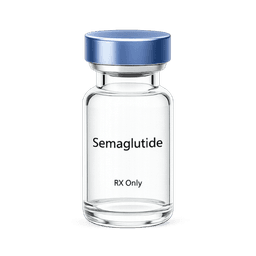
Compounded semaglutide
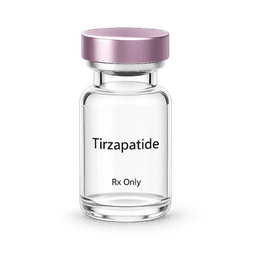
Compounded tirzepatide
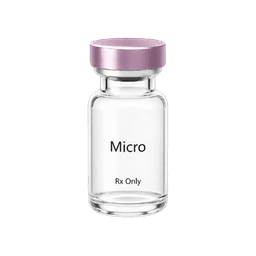
Microdose
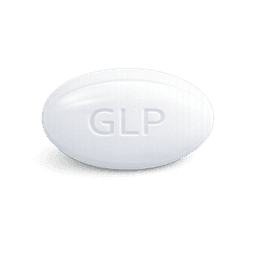
Oral compounded
Wegovy

Foundayo
Willow
3 medication options shown
Compounded semaglutide
Compounded tirzepatide
Oral compounded
Product images are illustrative. Available medications, formats, and eligibility depend on the provider and your consultation.
How It Works
The Care Pathway, Side by Side
SkinnyRx
- 1
Fill out intake
A short online health questionnaire, about 10 minutes.
- 2
Provider review
A licensed clinician reviews your intake and prescribes if appropriate.
- 3
Shipped to your home
Medication arrives discreetly, typically within a few days.
- 4
Ongoing support
Message your care team with questions along the way.
- 5
Adjustments if needed
Dose changes and refills handled without the hassle.
Willow
- 1
Fill out intake
A short online health questionnaire, about 10 minutes.
- 2
Provider review
A licensed clinician reviews your intake and prescribes if appropriate.
- 3
Shipped to your home
Medication arrives discreetly, typically within a few days.
- 4
Ongoing support
Message your care team with questions along the way.
- 5
Adjustments if needed
Dose changes and refills handled without the hassle.
Who It's For
Find Yourself Here
FAQ
Common Questions
Is SkinnyRx or Willow cheaper?
Which offers more medication options?
Which offers microdosing?
Which offers oral options?
Do both ship to my state?
Does either take insurance?
Our Take
Comparing SkinnyRx vs Willow

Two commonly compared GLP-1 providers are SkinnyRX and Willow. Both of these companies offer compounded GLP-1s and have a female-forward marketing strategy, but they also have quite a few differences that you’d want to examine before making a buying decision.
If you’ve narrowed down your decision to SkinnyRX and Willow, I’m going to share my feedback on how these two companies are similar, where they differ, and which one might be the best fit for your needs. After spending considerable time researching both brands, I have a lot to report, so let’s get into it.
What’s Different?
Let’s start with the differences between SkinnyRX and Willow, because there are a lot of them, and these differences will undoubtedly play a role in your buying decision. First, when you land on SkinnyRX’s website, you’ll see that the headline reads “obesity medication delivered overnight.” The term “obesity is the keyword here, as this indicates a huge difference in the marketing strategy between these two companies.
Willow is notorious for advertising access to GLP-1s without BMI restrictions. They are very open about the fact that they are supportive of patients who only have a few pounds to lose using these medications. While this felt rather scandalous when they first started advertising this, the truth is, many more companies are reducing and/or removing barriers to medication access. Willow just so happens to be one of the most vocal about it.
But that’s not to say that SkinnyRX isn’t offering their injectable GLP-1s to only those who meet the overweight or obese category BMI. In fact, I went through their intake and discovered that they will only place a stop on your intake process if your BMI is lower than 22. This information is important if you’re someone who has a lower BMI.
Another major difference between Willow and SkinnyRX is their product offerings. Willow is very basic and straightforward, offering compounded semaglutide in both injectable and oral forms and compounded tirzepatide in injectable form. SkinnyRX has a more robust offering, which includes the compounded semaglutide and tirzepatide injections in both regular dosing and microdosing, as well as access to name-brand medications (Wegovy, Foundayo). The fact that SkinnyRX is offering microdosing is a huge difference, as many patients are seeking microdosing, and considering Willow doesn’t have it at the moment, it could be a reason to choose SkinnyRX over Willow.
Pricing also presents some differences. Again, willow is very straightforward with its pricing, offering compounded semaglutide (injections and oral tablets) for $299/month, and compounded tirzepatide (injections) for $399/month. Willow does not offer a first-month discount and doesn’t have a confusing pricing model, which is very common with GLP-1 providers. Willow also doesn’t offer longer-term commitments with disconnect pricing (i.e., a 3, 6, or 12-month package) - all Willow orders are done on a month-to-month basis.
SkinnyRX isn’t as upfront with its pricing, offering “starting as low as” messaging that many of us know to be a bit wary of. From what I can tell, SkinnyRX offers a lower introductory rate for the first month and then charges more for subsequent months. The monthly price you pay will be determined by the length of your package (3, 6, or 12 months), the type of medication you choose, and your dosage.
SkinnyRX offers its customers a companion app to track their injections, weight loss, orders, etc. Willow does not have a dedicated app; instead, patients utilize the online patient portal for customer service and order tracking.
Finally, the last major difference between SkinnyRX and Willow is access. Willow is only available currently in 36 out of 50 U.S. states. SkinnyRX is currently available in 47 states. It’s very important to check your state’s eligibility with both providers to make sure your state is covered (I recommend doing that first to avoid wasting time on any other eligibility requirements).
What’s the Same?
When it comes to Willow and SkinnyRX, while there certainly are several important differences, there are a handful of things that are quite similar as well.
Immediately upon pulling up both websites side-by-side, you’ll notice that the “vibe” is pretty similar. Both brands feature women as their client avatar. I don’t believe that either company exclusively serves women; men are welcome, too, but they both make their websites very female-friendly.
Both Willow and SkinnyRX offer compounded semaglutide and compounded tirzepatide at lower costs than most brand-name medications. SkinnyRX and Willow have very similar intake processes, requiring you to fill out a short questionnaire that pre-qualifies you for treatment. With both providers, once your intake information is submitted, it gets reviewed by one of their licensed doctors, who gives the ultimate approval and writes the prescription.
Willow and SkinnyRX both work with licensed compounding pharmacies to deliver your medication safely and securely to your doorstep.
My Feedback and Recommendations
I’ve been familiar with both Willow and SkinnyRX for years, and while both providers have made some changes and innovations, there are still some very clear lines that I can draw between the two.
First, Willow was always one of the most controversial compounded GLP-1 providers on the market, blatantly marketing to women who aren’t overweight and only have a few pounds to lose. While this was shocking a couple of years ago, it’s more or less lost its edge as more research is released on potential benefits outside of just weight loss. One thing that I find very interesting is that Willow has yet to offer a microdosed version of its product, continuing to approve full dosages to those who might be better suited for microdosing. So if you’re interested in exploring microdosing, Willow isn’t going to be your best fit as they aren’t offering it (yet). On that same note, if you’re someone with a lower BMI, there’s a good chance you’ll be approved with Willow because they don’t have strict restrictions when it comes to BMI.
SkinnyRX stands out for its lower pricing model; however, I’m not a big fan of companies that use terminology like “starting at” as I’ve seen and heard too many horror stories about providers really jacking up the prices for month two and beyond. Do your due diligence, ask questions about pricing, and make sure you’re comfortable with it before consenting to the next delivery. Willow’s pricing is a bit higher, but I appreciate their upfront pricing model.
If you wanted to explore brand-name options, SkinnyRX will be your best choice, as Willow only offers compounded medications. Neither Willow nor SkinnyRX accepts insurance, so whether you go for the name-brand medication or the compounded version, you’ll be required to pay out of pocket. The good news is that both providers take HSA and FSA funds.
If you were to look at online reviews of both brands, you’d find feedback that was much of the same; some people love the service, and others are disappointed. This is pretty commonplace in this industry and can be highly unreliable from a decision-making point of view. In my opinion, you should choose the company that’s offering what you’re seeking (i.e., microdose, no BMI requirement, oral pills, etc.) and go from there. Your customer service experience will be pretty similar with both options, so it really just comes down to deciding which of these brands is offering the product you want at the price that makes sense for you.